Scalable UX for Enterprise SaaS
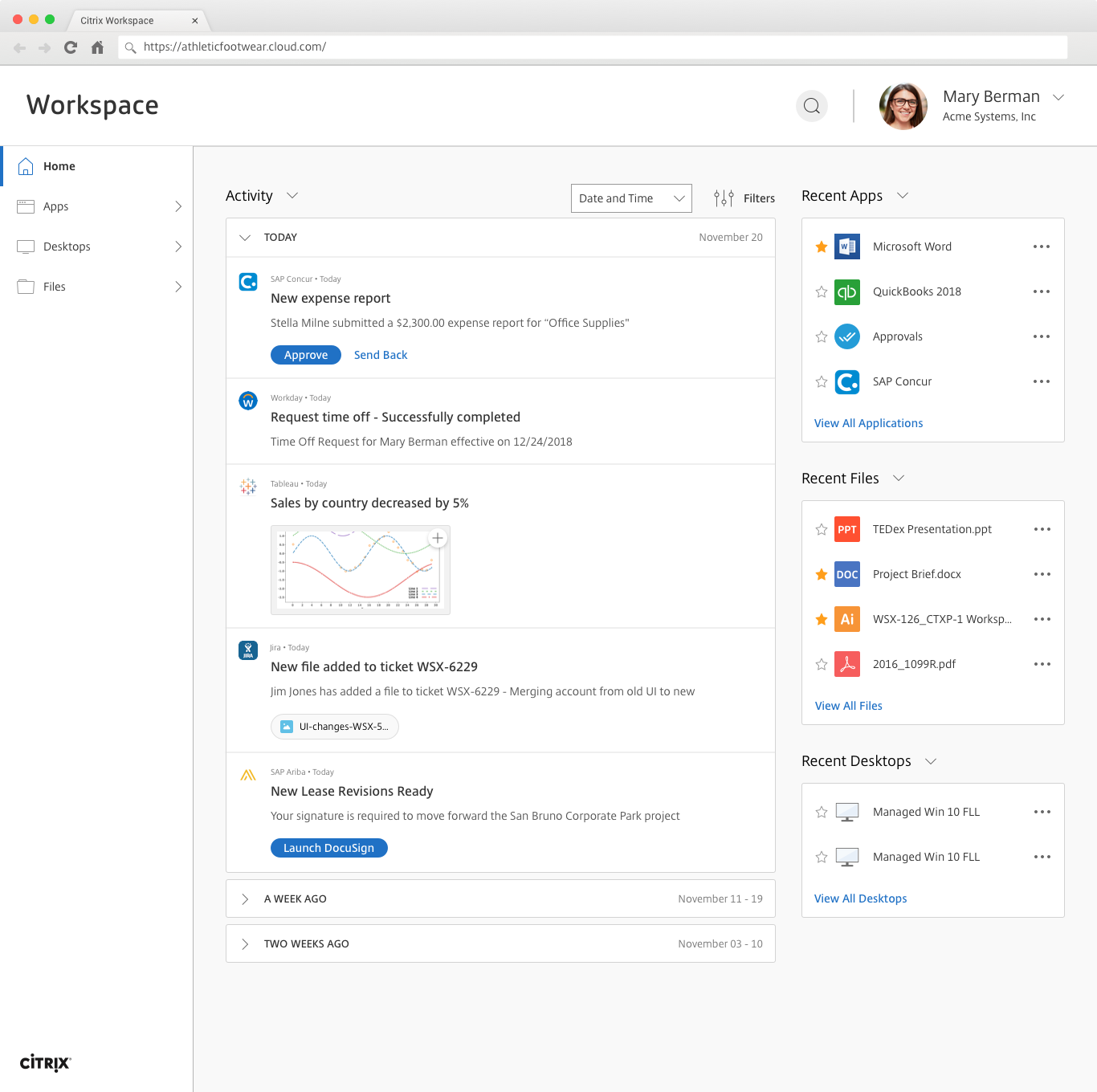
Led a design team in overhauling Citrix’s flagship cloud product, working alongside a dedicated UX research team to conduct statistically significant usability studies. Balanced enterprise complexity with intuitive workflows, ensuring both technical and non-technical users could navigate and succeed.
Citrix | UX Design Lead / Manager | Jul 2017 – Aug 2019
1. Context & Challenge
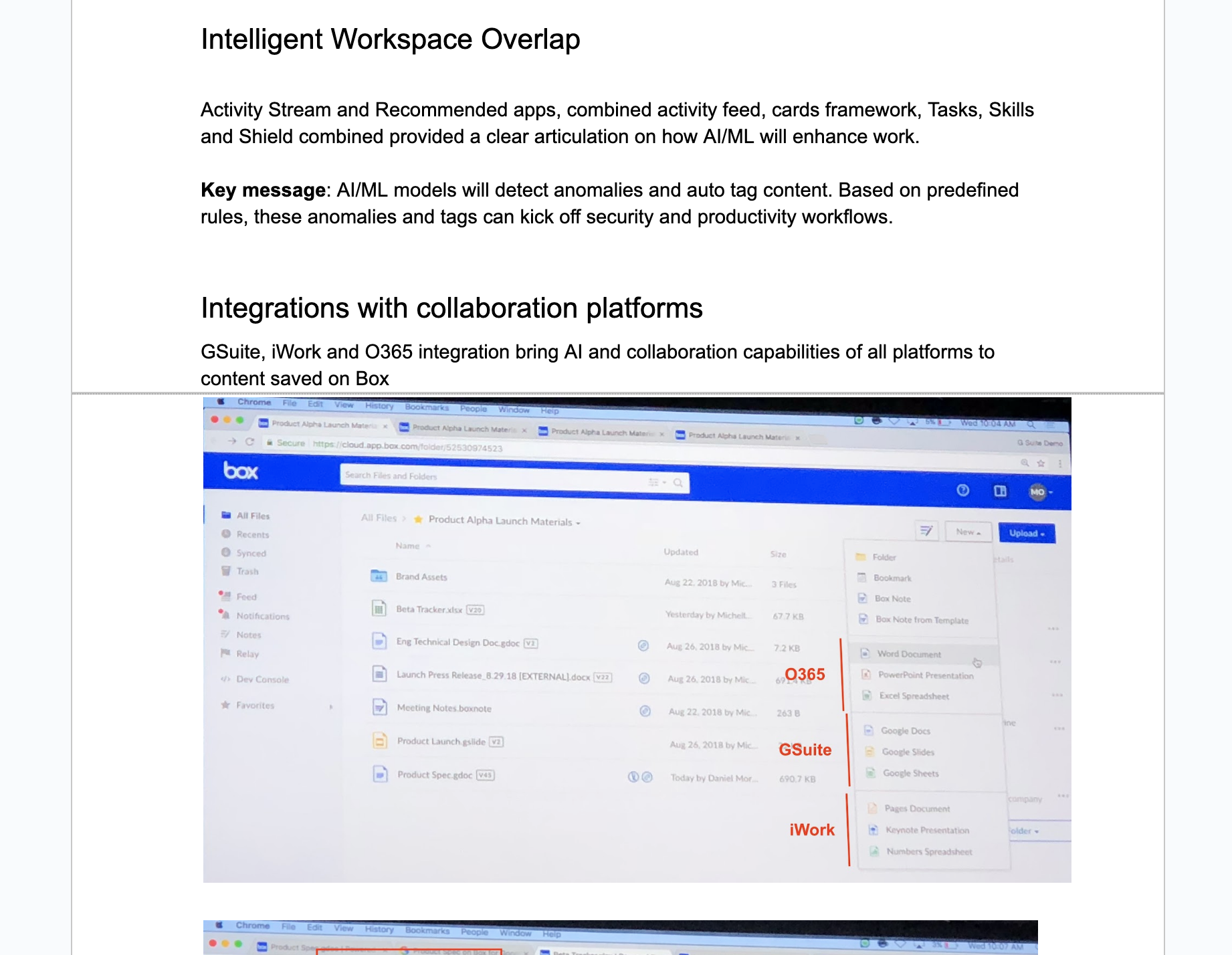
Citrix provides enterprise-level cloud services to a global customer base with varied needs and technical skill levels. Over time, the flagship cloud product’s interface became fragmented — with inconsistent patterns, buried functionality, and workflows that were efficient for some users but confusing for others.
The challenge: redesign the experience to improve usability and consistency without disrupting customers managing critical, ongoing workloads.
2. My Role
As UX Design Lead & Design Manager, I was responsible for:
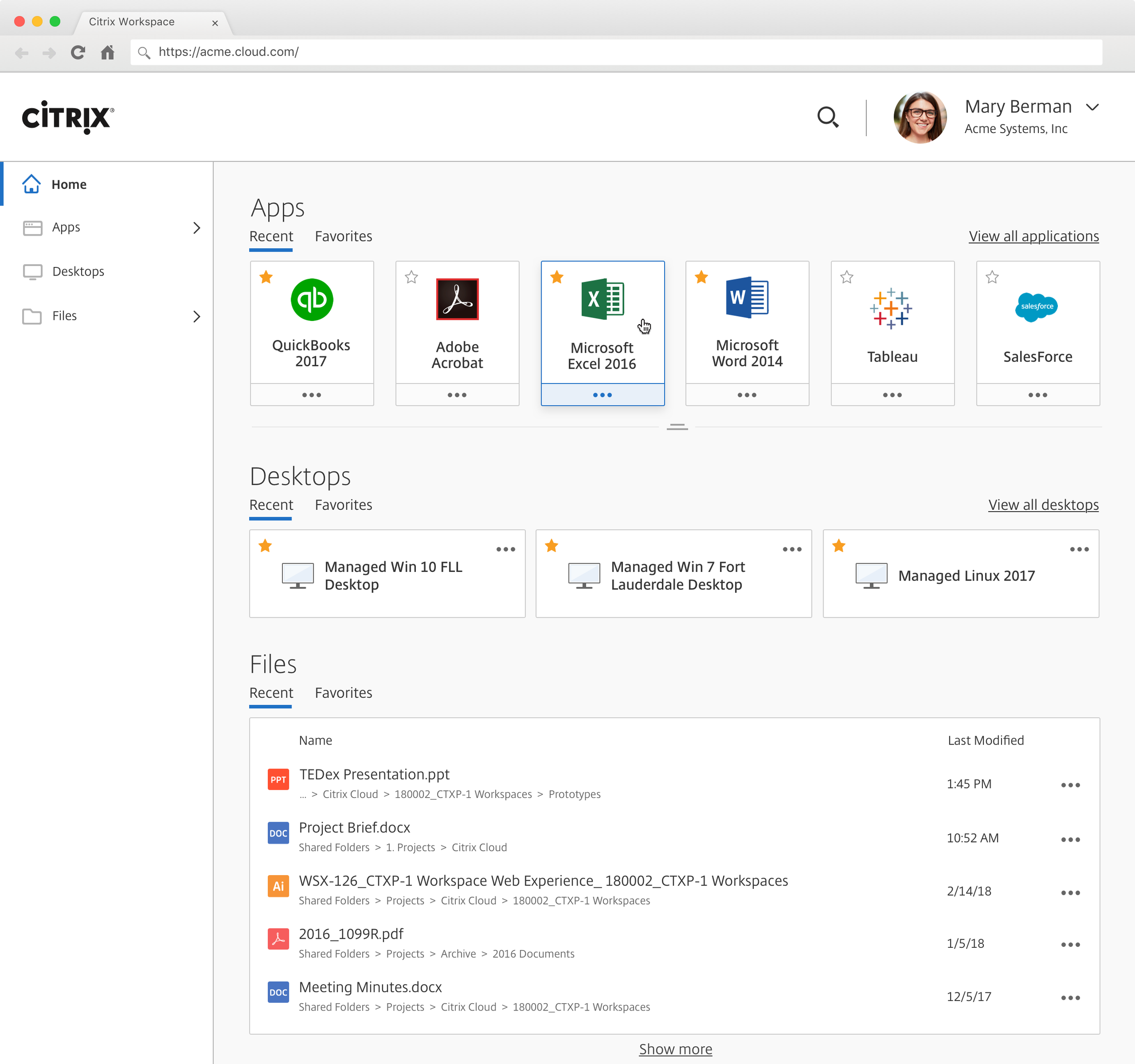
Setting the design vision for the cloud product overhaul
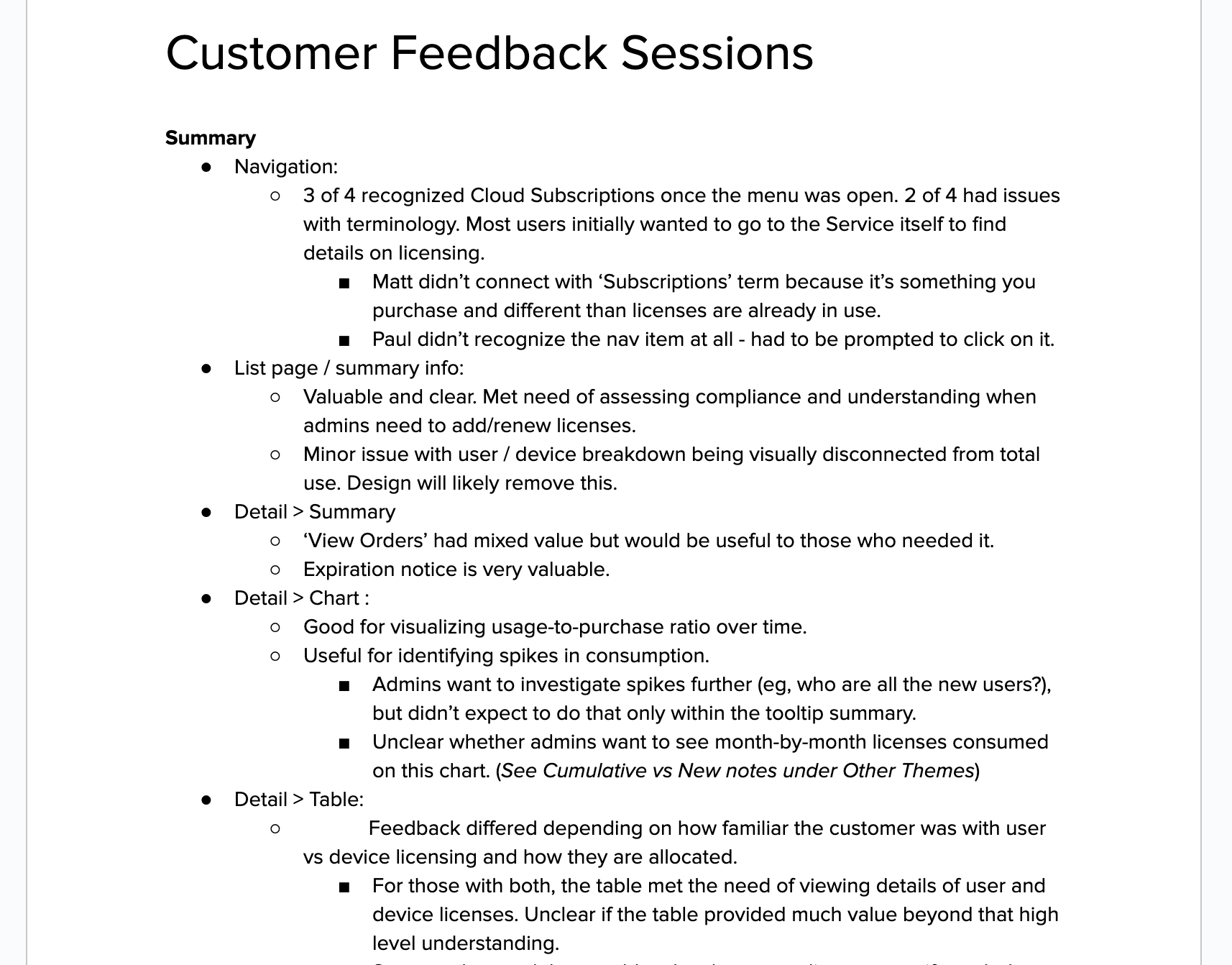
Collaborating with the UX research team to design and interpret large-scale, statistically significant studies
Managing and mentoring a team of designers in the Raleigh office
Partnering with Product Management and Engineering to align on priorities and phased delivery
3. Research & Discovery
Methods used:
Statistically Significant Usability Studies – Large-scale testing to ensure changes would benefit the majority of users without introducing regressions
Task Success Rate & Time-on-Task Analysis – Baseline measurement to quantify improvements
Heuristic Evaluations – Identified inconsistencies and accessibility issues across the interface
Competitive Benchmarking – Compared workflows to competing platforms to spot competitive gaps
Key insights:
Navigation patterns were inconsistent between related products, slowing multi-product users
Some core tasks took 2–3x longer for non-technical users
Technical users valued direct access to advanced features, while less technical users needed clear, guided paths
4. Design & Iteration
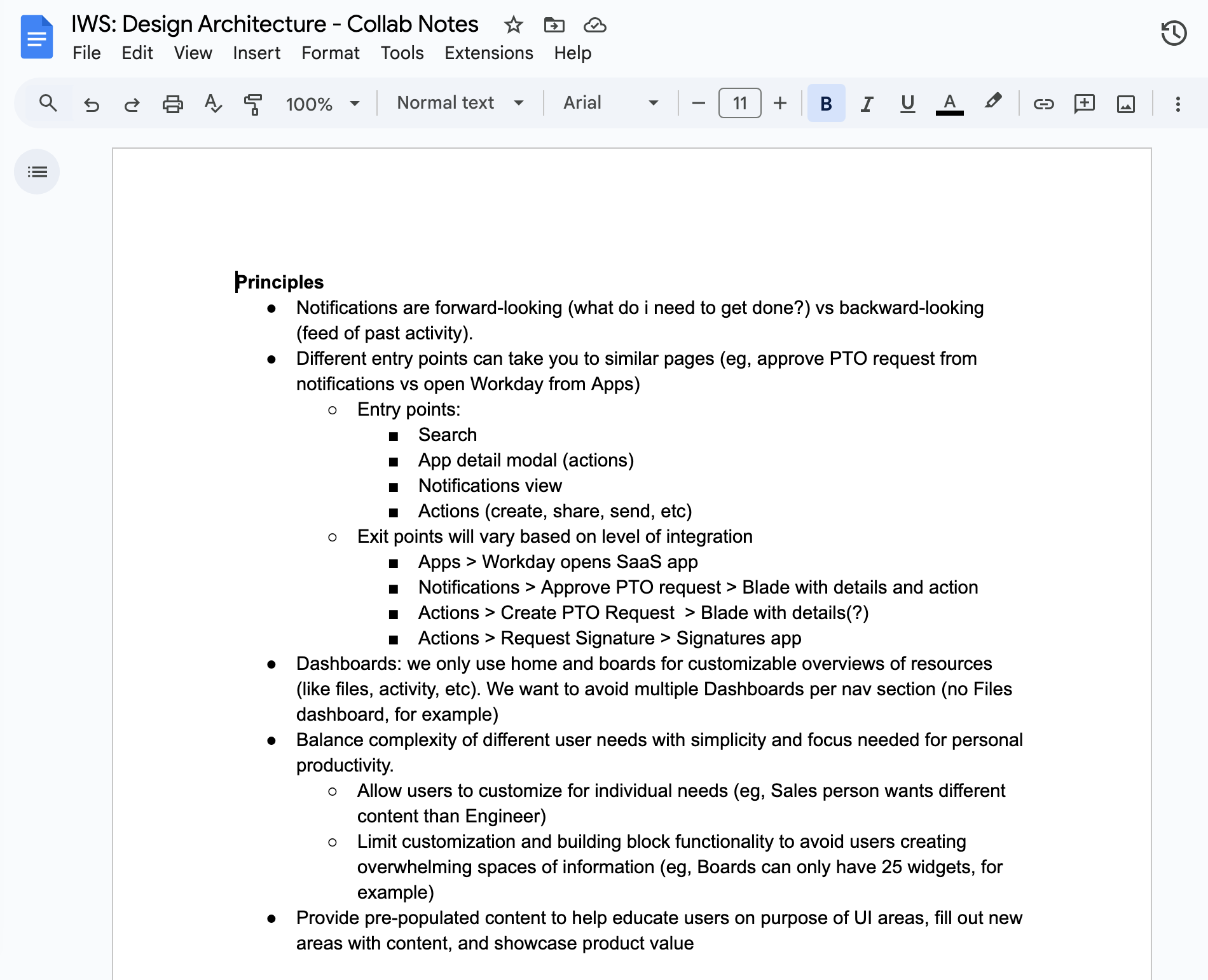
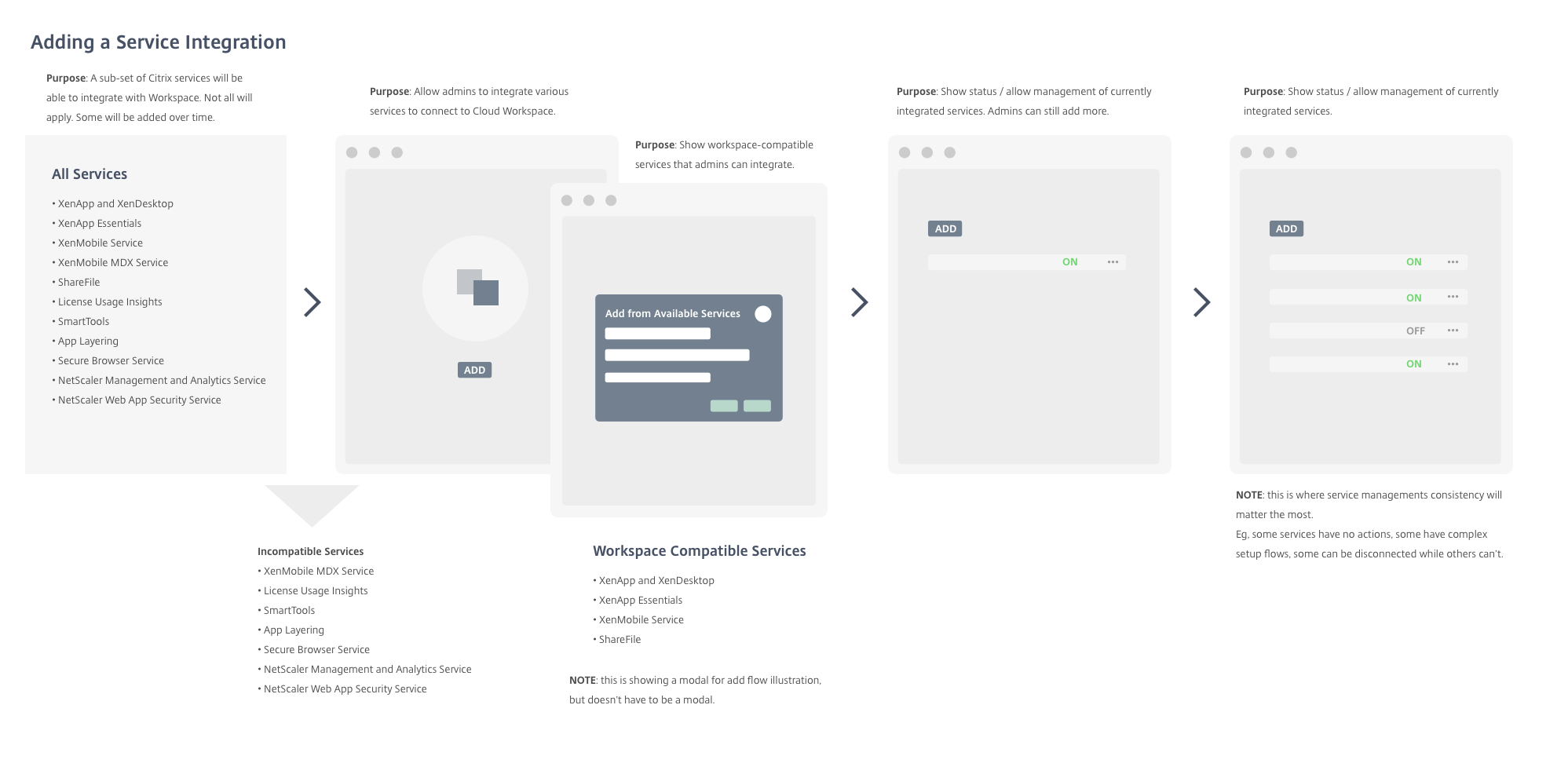
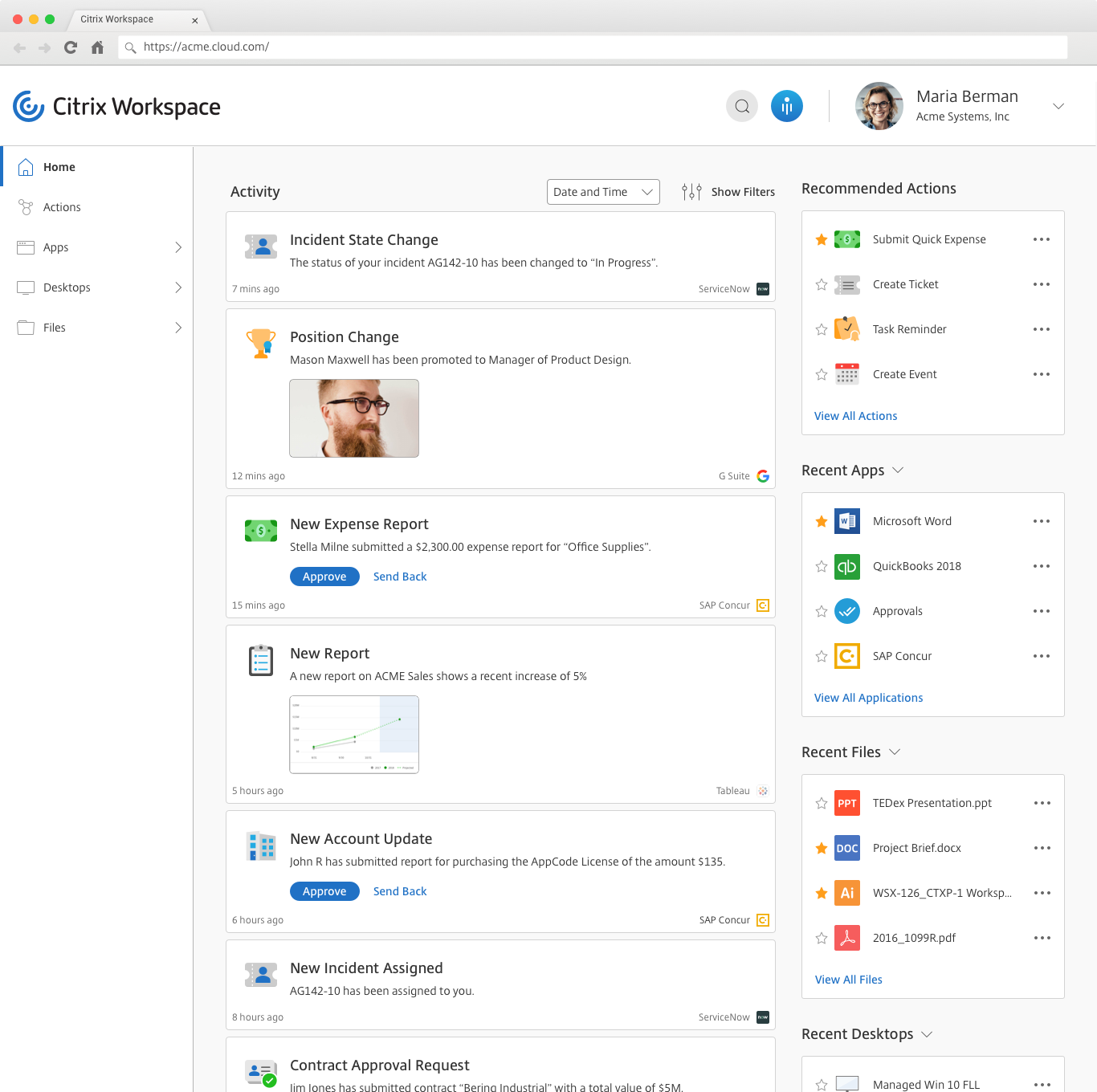
Established core navigation and interaction patterns to unify workflows across cloud products
Created role-based views to cater to both technical and non-technical personas
Introduced progressive disclosure to keep interfaces clean while making advanced features easily accessible
Partnered with engineering to phase releases, minimizing risk of disruption to ongoing workloads
5. Outcomes & Impact
Improved task success rates by measurable margins in follow-up usability studies
Reduced onboarding time for new users, as reported by customer training teams
Increased design system adoption across multiple Citrix products, improving consistency and reducing rework
6. Reflection & Relevance
This work reinforced the value of combining rigorous, large-scale research with careful iteration in complex, high-stakes environments. The ability to unify workflows for diverse users — while ensuring stability during change — is directly relevant to designing for multi-role, multidisciplinary teams in healthcare settings.