Scalable UX for Enterprise SaaS
Led a design team in overhauling Citrix’s flagship cloud product, working alongside a dedicated UX research team to conduct statistically significant usability studies. Partnered directly with product management and engineering to align design strategy with feasible execution, balancing enterprise complexity with intuitive workflows to ensure both technical and non-technical users could navigate and succeed.
Citrix | UX Design Lead / Manager | Jul 2017 – Aug 2019
1. Context & Challenge
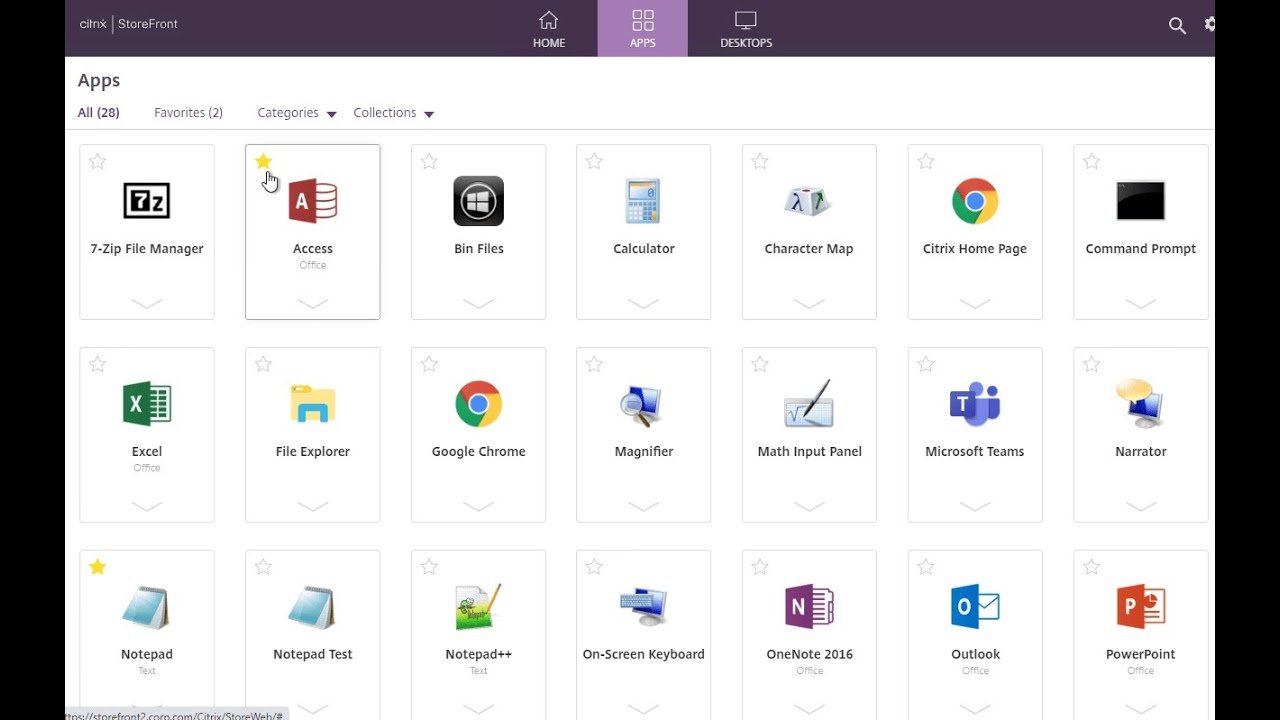
Citrix provides enterprise-level cloud services to a global customer base with varied needs and technical skill levels. Over time, the flagship cloud product’s interface became fragmented — with inconsistent patterns, buried functionality, and workflows that were efficient for some users but confusing for others.
The challenge: Redesign and deliver the experience across the full product lifecycle, improving usability and consistency without disrupting enterprise customers managing critical, ongoing workloads.
2. My Role
As UX Design Lead & Design Manager, I was responsible for:
Setting the design vision for the cloud product overhaul
Collaborating with the UX research team to design and interpret large-scale, statistically significant studies
Managing and mentoring a team of designers in the Raleigh office
Partnering with Product Management and Engineering to align on priorities, refine the backlog, and execute phased delivery
3. Research & Discovery
Methods used:
Statistically Significant Usability Studies – Large-scale testing to ensure changes would benefit the majority of users without introducing regressions
Task Success Rate & Time-on-Task Analysis – Baseline measurement to quantify improvements
Heuristic Evaluations – Identified inconsistencies and accessibility issues across the interface
Competitive Benchmarking – Compared workflows to competing platforms to spot competitive gaps
Key insights:
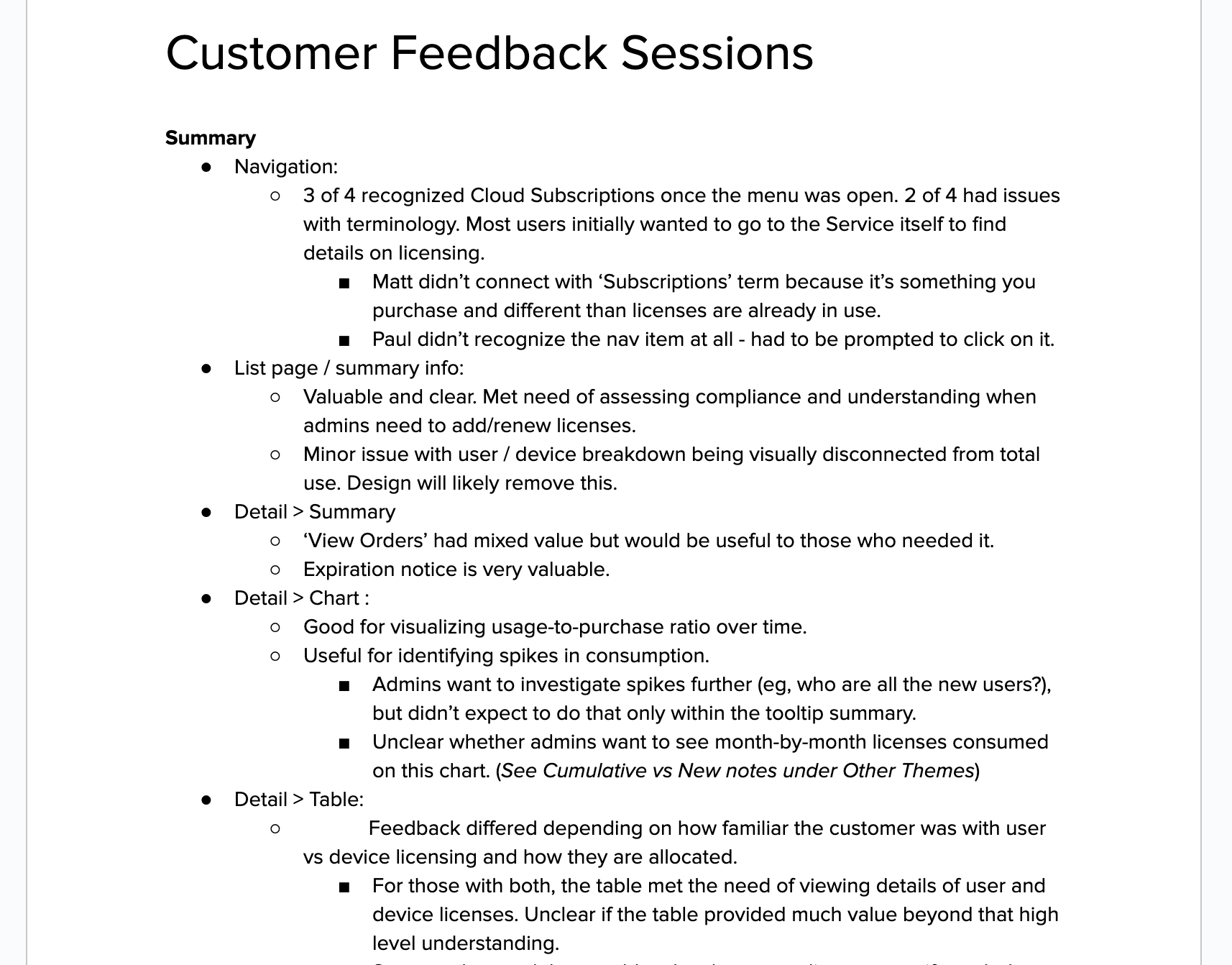
Navigation patterns were inconsistent between related products, slowing multi-product users
Some core tasks took 2–3x longer for non-technical users
Technical users valued direct access to advanced features, while less technical users needed clear, guided paths
4. Design & Iteration
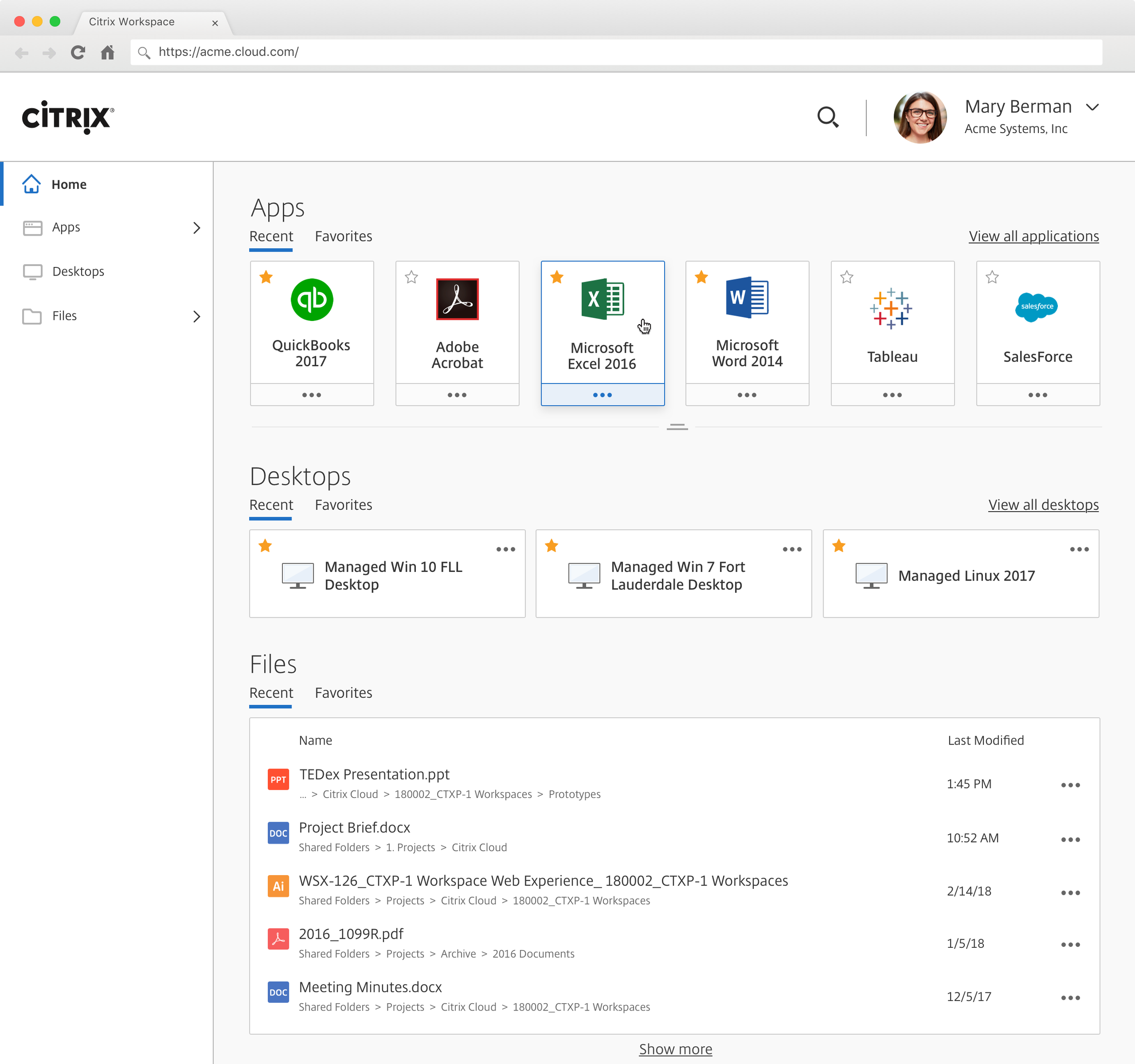
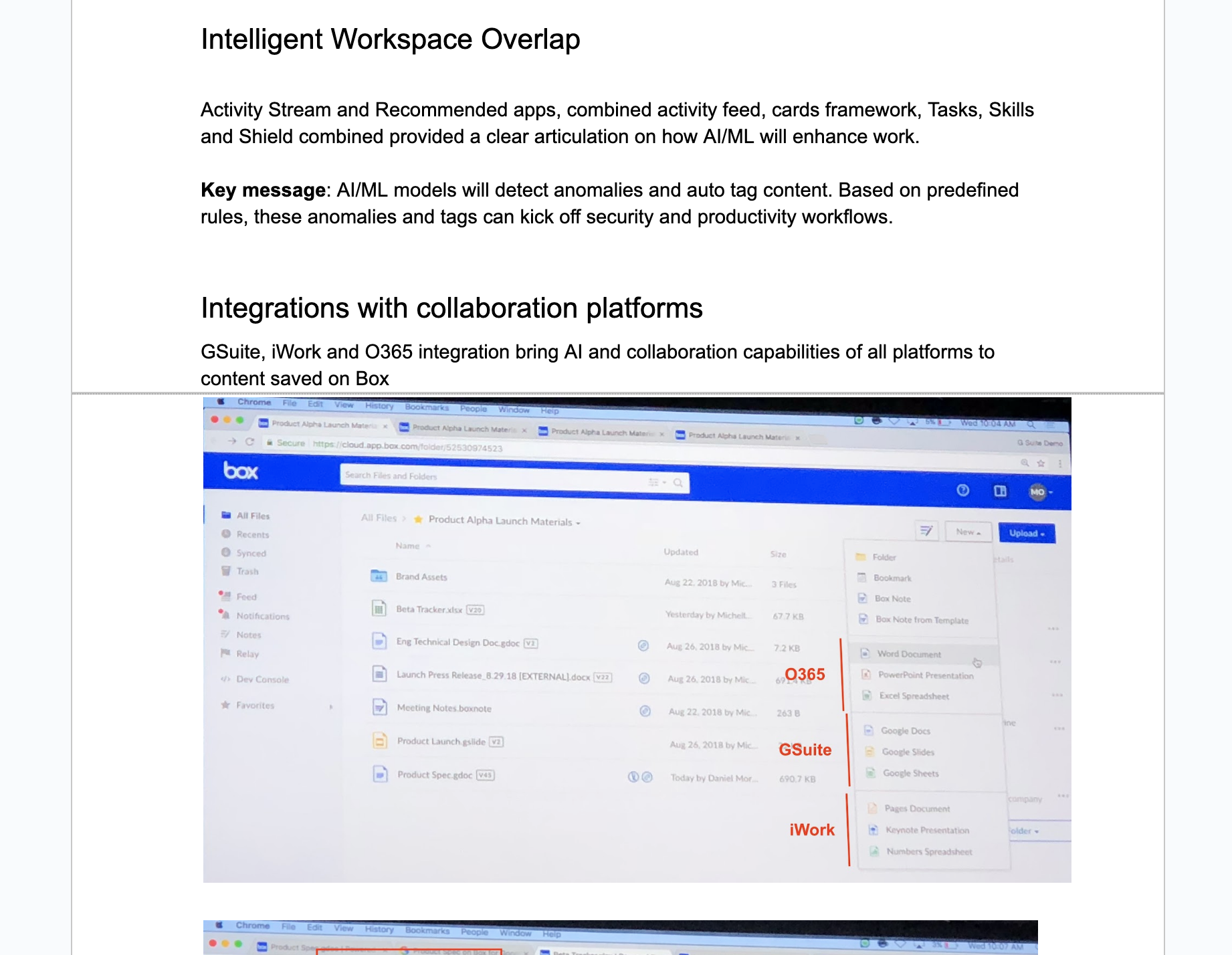
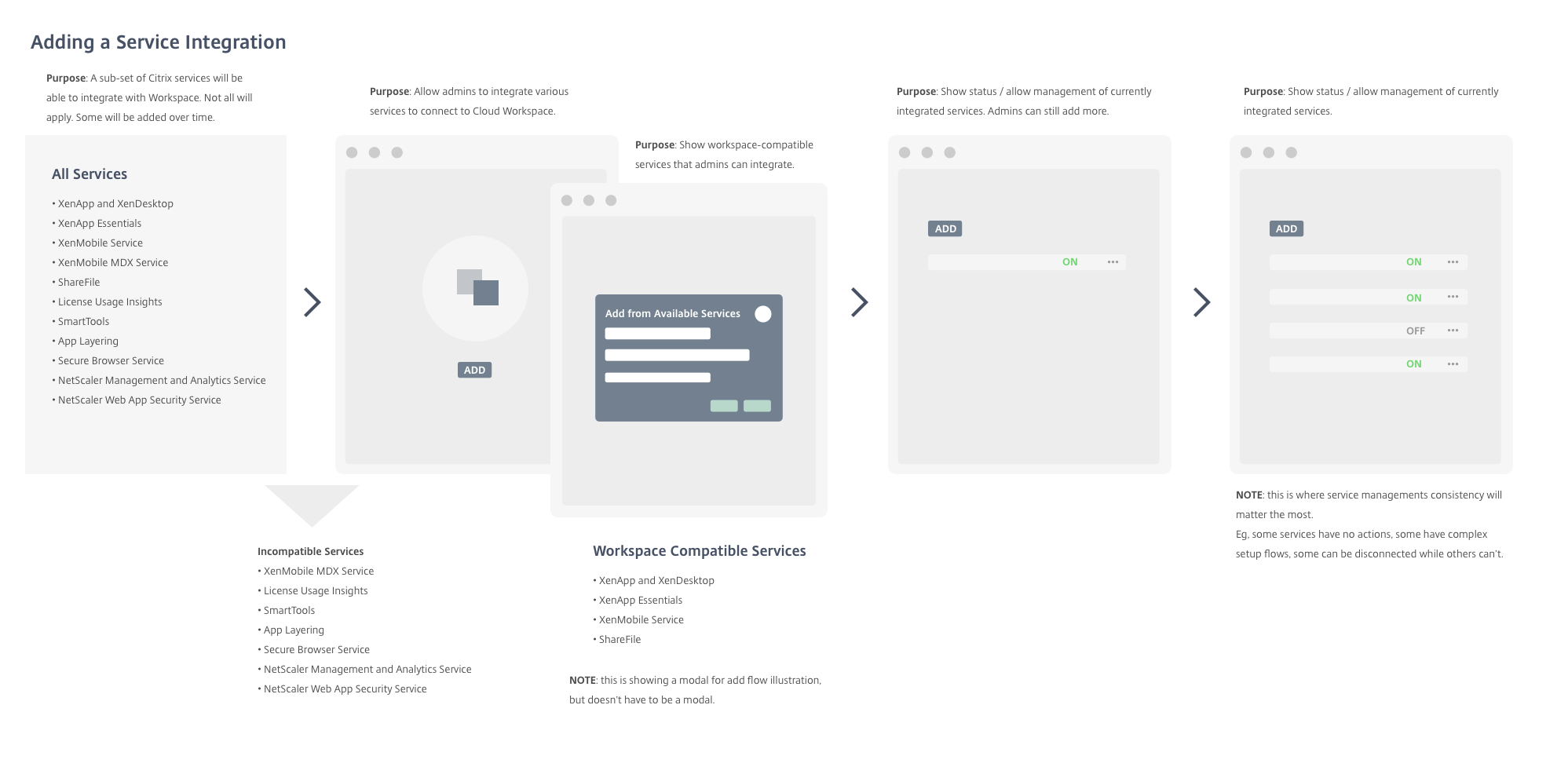
Integrated legacy systems with newly acquired startup’s micro-app functionality, bringing disparate applications together within a seamless experience
Introduced progressive disclosure to keep interfaces clean while making advanced features easily accessible
Partnered with engineering to phase releases, minimizing risk of disruption to ongoing workloads
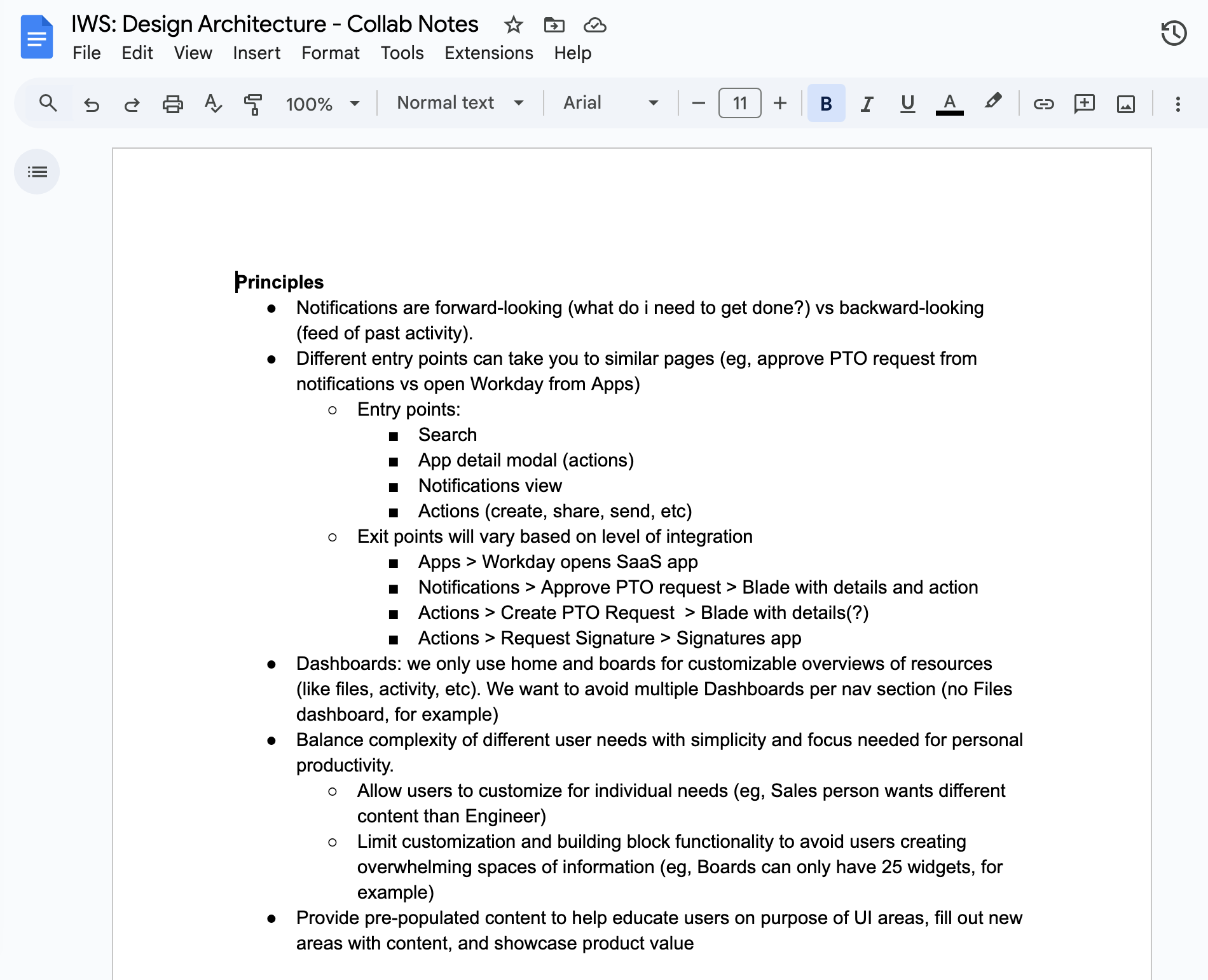
Established core navigation and interaction patterns to unify workflows across cloud products
5. Outcomes & Impact
Improved task success rates by measurable margins in follow-up usability studies
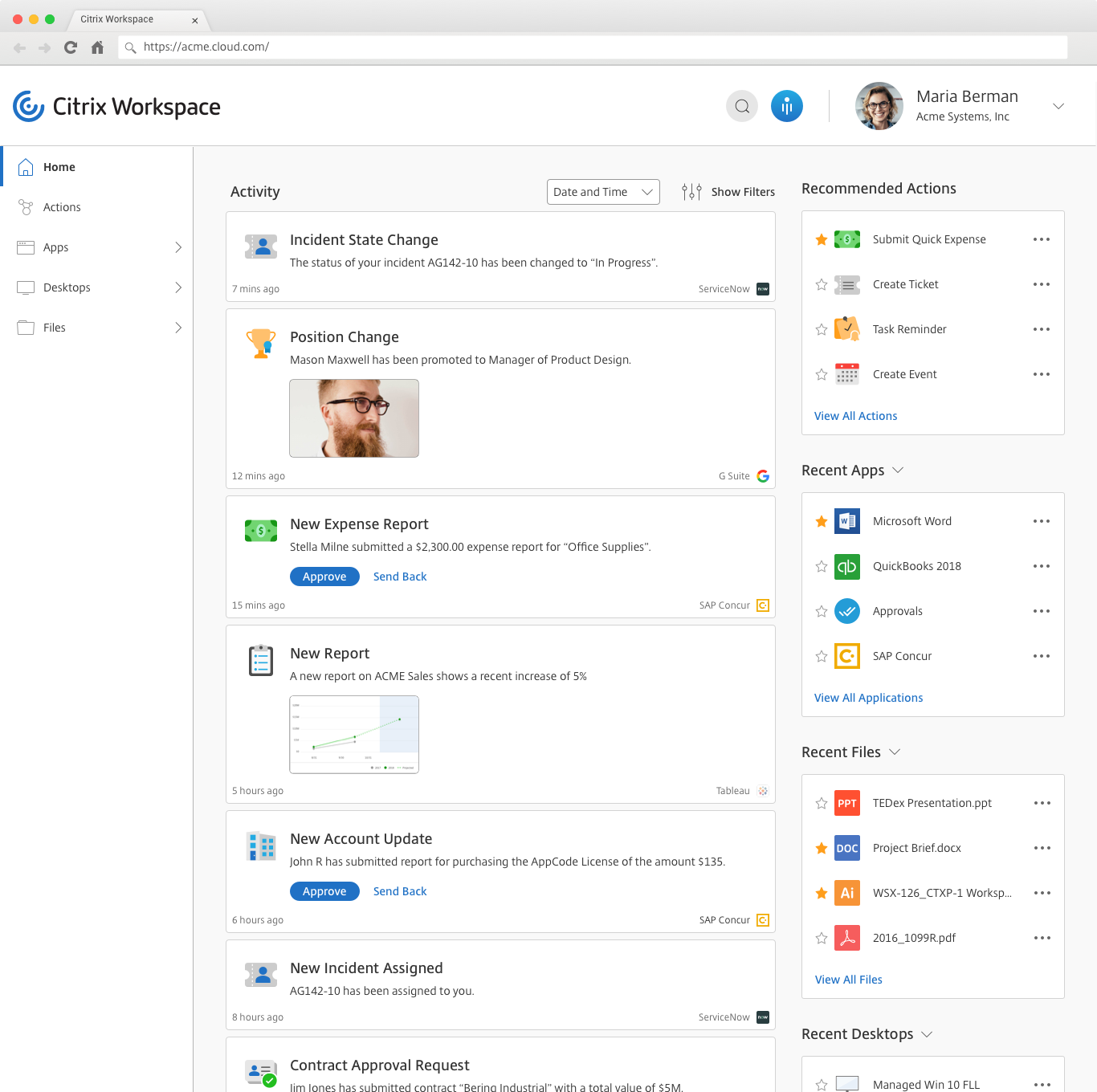
Comprehensive, single platform significantly reduced context-switching and frustration, bringing the most critical data and actions to the user, rather than forcing the user to hunt for them inside dozens of complex enterprise applications
Increased design system adoption across multiple Citrix products, improving consistency and reducing rework
6. Reflection & Relevance
This work reinforced the value of combining rigorous, large-scale research with careful iteration, cross-functional execution, and phased releases in a complex enterprise environment. The ability to unify multiple disparate systems into a single, cohesive control point for diverse users is directly applicable to creating intuitive, highly integrated B2B software.